
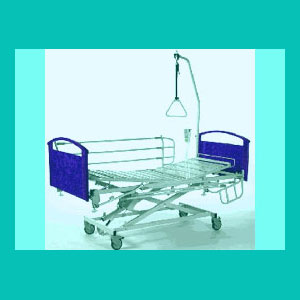
Bed rest for herniated discs is a completely free, conservative short-term therapy option for patients who have suffered an acute flare up of severe sciatica, neck or back pain. Bed rest can be a good idea when pain comes on strong and suddenly. However, bed rest is not a good long term solution for any type of chronic herniated disc pain and might actually make many agonizing expressions last longer than they otherwise would.
This article will discuss the benefits and drawbacks of bed rest for chronic pain. We will look at why bed rest is often advised and why this recommendation may prove to do more harm than it does good.
Emergency Bed Rest for Herniated Discs
After a back injury, the first 48 hours might be a living hell. Many patients suffer acute pain and possibly excruciating back muscle spasms. This might make any activity, except bed rest, quite impossible. Taking some time to allow the pain to calm down is not only advised; it is often required.
Finding a comfortable position to rest is usually the best way to get over these first 2 miserable days. Having lots of pillows available will assist you in finding a fully supported position, so you can take the pressure off any painful area of the back.
Make sure you have everything you need close to the bed, including the phone, in case you should require assistance and can not get up on your own.

Long-term Bed Rest for Herniated Discs
Staying in bed more than a couple of days will usually retard the healing process for any type of back pain. Bed rest slows down the metabolism and decreases circulation to the affected painful region. Decreased circulation allows toxins to accumulate in the area and also prevents full healing response.
Patients who are suffering from ischemia-related pain are especially affected by long periods of bed rest, since less and less oxygen is able to reach the symptomatic area of the back.
It is far better to get up and move around, slowly and gently, if at all possible. Conservative movement, such as walking, will really help to speed up the resolution of acute pain in most patients. Remember to be careful and not do too much, too soon.
Bed Rest for Disc Pain Reality
I know back pain can be a real horror to endure. I remember feeling as if I could not move at all. Sometimes, you just want to stay in bed forever until the pain goes away. This is definitely not the right answer for any type of back or neck pain.
Take small steps. Try to sit up. Try to stand. If you can get up, try to walk. Move around a bit. Maybe get some fresh air outdoors. Don’t overdo it, but try to get some gentle activity in every day. Moving will help your body heal and is also good for your mental state. Stagnating in bed will cause your healing response to stagnate, as well. Remember, even pain which is not directly caused by ischemia will not heal as fast if you reduce your circulation due to long periods of inactivity.
Movement is part of life, while dormancy is a characteristic of death. Do not be afraid to move. Do not be intimidated by small pains and twinges when rising from bed. Stay calm and relaxed. Just think about taking one small step and let the rest come naturally.
Herniated Disc > Herniated Disc Treatments > Bed Rest for Herniated Discs