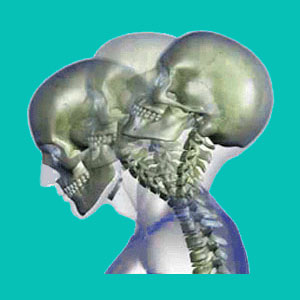
Cervical herniated disc causes include the usual 2 main factors responsible for virtually all bulging discs. The most prevalent source of herniations in the lumbar and cervical spinal regions is certainly normal and expected spinal deterioration. The degenerative processes affect the intervertebral discs and vertebral bones alike and facilitate the dehydration and eventual herniation of discs as part of their natural life span.
The other source of herniated discs is spontaneous traumatic injury to the neck and upper back.
This article will focus exclusively on these main causes and contributors to herniated discs in the neck. We will discuss why herniations are so prevalent in the upper spine and what to do if you are diagnosed with a cervical disc pathology.
Degenerative Cervical Herniated Disc Causes
Degenerative disc disease and the various osteoarthritic processes truly enact the ideal circumstances for herniations to occur. This is why herniated discs are so common in the lumbar and cervical spinal regions. Fortunately, the overwhelming majority of mild and moderate degenerative bulges are completely asymptomatic. Most are not discovered, but many are unfairly linked to traumatic events in which an accident is blamed for the herniation. This is strange, since most of these old herniations demonstrate degenerative evidence which dates the disc issue far before the incident occurred. This creates huge liability issues within the legal system.
Since spinal aging affects C5 to T1 significantly in most people, the usual degenerative herniations occur at C5/C6, C6/C7 and C7/T1.

Injury-Related Herniated Disc Causes
Injury to the cervical spine is likely to be painful whether a disc herniates or not. Trauma is painful to all sensitive structures and the neck has a huge amount of neurological tissue which will suffer from any direct force. Spontaneous herniated discs can be painful for a short time, but should resolve within a period of under 8 weeks.
European studies have conclusively shown that patients who endured cervical trauma recovered faster and better if they did not seek professional treatment of any kind. To me, it is simply shocking that pursuing any form of treatment makes a person statistically more prone to chronic back and neck pain, when compared to no treatment. This is truly unacceptable and certainly proves the very real incidence of the diagnostic nocebo effect, as well as the simple fact that many care practices might actually perpetuate pain, rather than seeking to resolve it.
Clarification of Cervical Herniated Disc Causes
It is rarely important to even know exactly why a herniated disc occurred and it is very difficult to ascertain the true source anyway. What is important is to understand the facts about herniated discs and how most are nothing at all to fear. Even the bulging and ruptured discs which are truly structurally problematic typically respond very well to appropriate treatment, resolving completely and sometimes, even permanently.
If your pain has not followed this path, the possibility that your symptoms have been misdiagnosed is great. Our advice is to compare the exact symptomology with the expected clinical profile and look for any inconsistencies. There is a good chance that you will find many.
Herniated Disc > Herniated Disc in the Neck > Cervical Herniated Disc Causes