
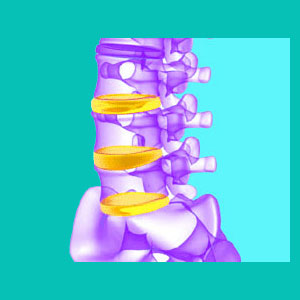
The diagnosis of bulging discs is a highly controversial topic in the dorsopathy sector and one which is currently redefining the very way doctors perceive and treat back, neck and radicular pain. The diagnostic nomenclature of bulging disc signifies an intervertebral spacer which is swollen in a particular way, often defined by many of the following terms: diffuse, broad based, focal, central, paramedian or anterior. While it is not absolutely crucial to understand the exact differences in these diagnostic names, it is vital to understand the process of identifying bulges and how the findings are used to substantiate back and neck pain in many cases.
This narrative details the diagnostic process for intervertebral disc bulges and the many problems inherent to the endeavor.
Diagnosis of Bulging Discs History
Originally, when advanced diagnostic imaging was made available to orthopedic specialists, the finding of virtually any disc bulge or herniation was considered grounds for pain and usually, immediate surgery. Well, as many patients found out, this turned out to be a ridiculous notion, but unfortunately, so many millions were scarred by needless laminectomies and discectomies for decades.
Back in the early days of the modern back pain epidemic, there was little objective spinal research and almost any abnormality was deemed to be the definitive grounds for causing back pain. Luckily, we have come a long way since then, with enlightened and ethical doctors now knowing for sure that most intervertebral irregularities are not pathological in any way.
Modern Bulging Disc Diagnosis
Now MRI and CT scan is generally available worldwide, making positive diagnosis of herniated discs even easier. However, research has also caught up and doctors now know that degenerative disc disease is virtually universal and that the vast majority of bulging discs are not symptomatic or problematic in any way.

Doctors find them daily on routine diagnostic testing in patients who have no back pain whatsoever. This is medical fact. Now, symptoms are well known to be based on neurological effects of herniations involving spinal stenosis, foraminal stenosis or chemical radiculitis.
While this is certainly a step in the right direction, it still does not prevent misdiagnosis of many pinched nerve conditions and it certainly does not prevent less ethical or unenlightened care providers from taking advantage of naive patients who will believe that any disc abnormality still presents logical grounds for pain.
Diagnosis of Bulging Discs Considerations
Finding a bulging disc, or 2 or 3, in your lumbar spine or cervical spine should never be a shock. We almost all have them and most are nothing to fear. Some spinal disc abnormalities may be problematic and these can usually be successfully identified and treated by a qualified spinal neurologist.
I always recommend that patients understand their diagnostic findings and learn the facts about herniated discs in order to prevent themselves from becoming yet another in the countless millions who are improperly managed in the dorsalgia sector each year.
I hope that this website will help you to better understand your diagnosed condition and spark some topics of conversation between you and your physician. There are so many topics here on Herniated-Disc-Pain.Org. The more you read, the better prepared you will be to successfully navigate the challenging diagnostic and treatment sectors without suffering misdiagnosis, as well as unnecessary or failed treatment.