
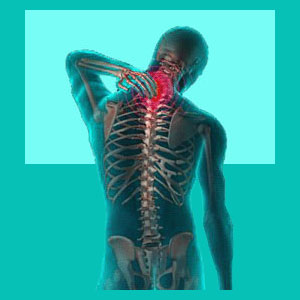
Discitis is a term which describes an infection of the spinal disc space or the disc itself. Commonly, the bacterium responsible is staphylococcus aureus, but there are many possible microorganisms which can cause the condition to occur. Discal infection is usually limited to symptomatic expression in the area affected and does not generally become a systemic concern. However, in some cases, particularly those found in drug users and those with immune system disorders, systemic infection can occur and may entail a real health hazard which could potentially end in death.
This essay will concentrate on the causes and symptoms of discal infections, as well as the usual treatment options which are available.
What is Discitis?
The intervertebral disc space is able to become infected, just like almost any other area of the body. In most cases, infection occurs in children due to idiopathic reasons and generally resolves by itself or with simple and safe antibiotic treatment.
In adults, contamination of the disc space is only common in illicit drug users, AIDS patients and those who have been exposed to particular bacterium while suffering from a compromised immune response. These cases are generally rather serious and may become widespread health crises. These adult cases are often far more difficult to treat effectively and may even require surgical intervention in the form of manual cleaning out of the infected area. Discitis in adults might recur several times in rapid succession in typical patient types.

Disc Infection Details
Discal infection can be theorized to exist due to lifestyle factors and symptomatic expression upon exam. It can generally be confirmed using MRI technology, although bone scanning or even x-rays may also provide clues to the existence of the disorder.
Localized symptoms include stiffness and pain in the area and surrounding tissues. This pain is often worsened by bending or moving the affected region. Some patients do not suffer any pain, which can make accurate diagnosis of the underlying origin even more difficult to achieve.
In severe cases, systemic infection may include fever, nausea, light-headedness, muscle spasms and convulsions. If the infection spreads into the spinal cord, the cerebral spinal fluid or the bloodstream, serious consequences can and usually will result.
Discitis Infection Summary
Discal infection is a scary thing indeed, as is any infectious process in a sensitive area of the anatomy. Some infections may leave lifelong after effects, including scar tissue formation or nerve damage, although these events are very rare and usually reserved for significant infections in unhealthy adults.
Unfortunately, most disc infections are not obvious and the patient may suffer for quite a long time without a positive diagnosis.
The symptoms are just too similar to many other forms of back pain to stand out as a distinctive condition in most sufferers.
To learn more about diagnosing and treating intervertebral discal infections, please contact your doctor or visit an infectious disease specialist.