
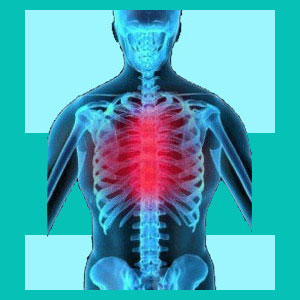
Suffering a herniated disc from lifting weights can occur during formal exercise or just from performing any strenuous activity. However, herniated discs can also occur from idiopathic reasons, but might not be discovered until a soft tissue injury, such as a strain or sprain, causes pain and a subsequent trip to the doctor. The exam shows a herniated disc has occurred, which is often linked to the weight lifting event, although the herniation might have already been there for a long time. Work-related disc injuries are common, although many may have existed long before the incident blamed for their occurrence.
This article will investigate why weight lifting can cause intervertebral herniations and will provide some advice about working out safely, thereby preventing disc injuries from taking place.
Herniated Disc from Lifting Weights in the Gym
Formal resistance training is a terrific activity for skeletal loading and general strength training. The benefits of weight lifting are many and include reduced chances of developing osteoporosis, obesity, diabetes and heart disease.
Exercise is a good thing, but can also be taken to extremes. Lifting more than you are capable of lifting is the best way of incurring a general back injury or bulging disc. It is a simple matter of physics. The strain of the weight can be managed by the muscles, but not the bones or other structures of the back. A herniated disc is actually a kind result, compared to a vertebral fracture or displaced vertebral bone.
Herniated Disc from Lifting Weights at Work
Formal weight lifting is not the only source of resistance based herniated disc injury. Many people have jobs which make them lift and carry heavy loads all day. This type of manual labor can create a herniated disc spontaneously or over the course of time, as the wear and tear caused by the job becomes cumulative.

People need to work in order to survive and a disc injury which prevents someone from properly doing their job becomes a double dose of stress.
The psychoemotional consequences of a work-related disc pain condition are very difficult to overcome and definitely contribute to the severity and duration of the symptomatic expression. This is especially true if litigation is involved with the injurious event.
Herniated Disc from Resistance Training
It is easy to advise people on the best methods of preventing a herniated disc or other back injury while exerting themselves physically. However, even the best lifting technique and sensible approach to resistance work can still be rewarded with injury. All you can do is be careful, follow these pointers and hope for the best:
Try to lift with you legs when possible, not a bent back.
Do not lift more than you are capable of lifting.
Try not to lift your maximum capacity at once.
Take breaks in between sets or breaks at work.
Warm up your muscles prior to lifting.
Always lift with a spotter in the gym or an assistant at work.
Remember that many herniated discs are not caused by lifting, but are merely discovered after pain sets in from a possibly unrelated soft tissue injury, such as a minor tear in a ligament or tendon.
Regardless of the cause of your herniation, make sure to undergo proper rehabilitation to help you recover from the herniated disc and get back to an active life.
Herniated Disc > Causes of a Herniated Disc > Herniated Disc from Lifting Weights