Pilates for herniated discs is a rigorous form of core muscle exercise therapy sometimes prescribed by osteopathic physicians and physical therapists. Pilates was originally developed as a physical therapy system to help rehabilitate wounded soldiers during World War 1. Pilates has enjoyed a supportive reaction from the medical community as a conservative herniated disc treatment ever since.
This editorial will explore using Pilates exercise specifically to treat disc pathologies. We will investigate how the treatment is supposed to work, as well as the expectations for pain relief.
Pilates for Herniated Discs Explained
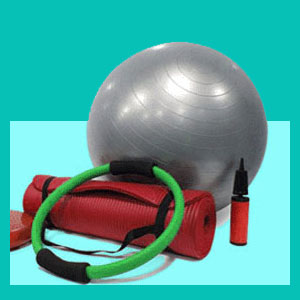
Pilates is a system of exercises, stretches and calisthenics designed to increase the overall combined strength of the core torso muscles. These structures include the postural muscles often implicated in the majority of chronic back pain syndromes. Exercise therapy will not change the spinal anatomy, but will provide increased blood flow to the area, facilitating a speedy healing response.
Pilates should always be supervised by a qualified fitness trainer, especially for people who have a history of back and neck pain. The exercises are not difficult to learn, but are a huge challenge to perform for anyone of any fitness level.
Pilates places emphasis on development of the abdominals and back muscles, which are crucial to maintaining good posture, and therefore, a healthy spine.

Effectiveness of Pilates for Disc Pain
People with purely structurally-induced pain from a herniated disc are not likely to enjoy many benefits from Pilates, or any type of exercise therapy. In fact, this activity might be very painful to perform and should be avoided in some instances.
However, the vast majority of patients who will benefit from the pain relieving qualities of Pilates, will do so not because of the efficacy of the exercise program itself, but instead, due to the possible misdiagnosis of the underlying painful disc condition.
Some cases of chronic lower back pain are due to regional ischemia, or another idiopathic soft tissue condition, not herniated discs. The exercise training increases oxygenation of painful cells, temporarily halting the symptoms of ischemia. This is why exercise provides that brief period of relief, which unfortunately is often very short lived.
Pilates for Herniated Discs Conclusion
Using exercise as a form of symptomatic treatment is fine and certainly better than using prescription herniated disc drugs. However, exercise alone is not likely to permanently cure back, neck or sciatica pain.
For this goal to occur, most patients suffering from mindbody ischemia require knowledge therapy, which is best for getting to the root source of painful complaints and resolving the psychoemotional issues enacting the symptoms.
Meanwhile, patients with verified and purely structural pain may require the passage of time to feel better or may require more drastic treatments, such as nonsurgical spinal decompression or even herniated disc surgery.
If you are interested in using Pilates as a form of pain management, talk to a qualified physical therapist or certified fitness trainer for additional information about how to begin.
Herniated Disc > Herniated Disc Exercises > Pilates for Herniated Discs