Ischemia back pain is yet another common example of chronic oxygen deprivation causing serious anatomical symptoms, while all along the condition is usually blamed on some structural spinal abnormality. Herniated discs are the most widely experienced back pain scapegoats, since they are very common, yet rarely cause the ongoing chronic symptomatic concerns linked to them.
This discussion will provide evidence of why herniations may be coincidental to pain. We will explore why the symptoms of most disc pathologies do not correlate to the diagnosis and how regional oxygen deprivation may be a far more logical conclusion in most of these circumstances.
Ischemia Back Pain Explanation
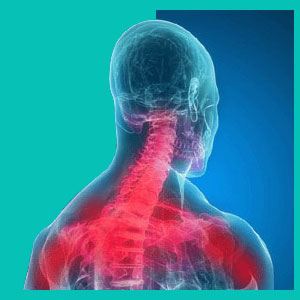
Ischemia is a process which can be responsible for a host of painful conditions all over the body. It is especially prevalent in causing neck or back pain and has directly led to the epidemic of dorsopathy conditions presently seen in the healthcare system.
Some form of dorsalgia affects up to 85% of all adults and is the most common reason for a person to miss work. In most of these cases, no definitive pathological causative process is ever found to explain the symptoms.
Ischemia is a harmless process with effects which can dissipate as soon as the cellular oxygenation is increased. It leaves virtually no evidence of its tremendous pain causing abilities, except for trace elements in the nuclei of affected cells. This fact has been repeated demonstrated in proven research science testing.

Ischemia Symptoms
Ischemia processes mimic the symptoms generally associated with any severe back pain diagnosis, including a herniated disc. There is pain in the affected area and radiating nerve pain in any areas of the body served by the oxygen-deprived neurological tissues. Being that ischemia is generally a regional process, it can affect nerves, muscles, tendons and ligaments in a small or large area of the back.
Low levels of oxygen deprivation will affect the most sensitive nerve fibers first, while higher levels of ischemia will eventually debilitate muscle cells. Increased levels of oxygen deprivation are directly responsible for the traumatic agonizing muscle spasms so often linked to herniated disc conditions, especially in the lower back region.
Ischemia has been so effective, since it is a variable process which can produce a plethora of pain syndromes all over the body. Additionally, oxygen deprivation is typically misdiagnosed as any number of structural pain conditions.
If you correlate the symptoms of ischemia to a diagnosed disc abnormality, the expression will almost always be too diverse in variety and/or location. This is rarely considered evidence, except when the diagnostician is an objective neurologist.
Ischemia Back Pain Help
Ischemia is a diabolical process which can be caused by physical or psychosomatic causations. Many herniated disc patients with ongoing chronic disc pain are actually suffering from psychosomatic oxygen deprivation. This is why most of these patients never truly recover from their pain. After all, no treatment will be effective at curing a condition if it is not directed at the actual cause of the symptoms.
If you are suffering unresolved back, neck or sciatica pain, regardless of the diagnosis, you owe it to yourself to investigate the idea that your pain might actually be due to an ischemic process. This was the same reason for my original 18 years of suffering and I am so thrilled to finally recognize the existence of this sinister tormentor.
To think, I could have benefited from this knowledge many years earlier if only I had been aware of the actual causation of the symptoms. However, I bought into the misdiagnosis provided by my doctor and paid a high price for my ignorance. Please do not repeat my mistake. I have shared all of my knowledge regarding the causes and treatment of regional oxygen deprivation syndromes in my peer-praised best seller, Cure Back Pain Forever as well as in many of our proven pain relief program products.
Herniated Disc > Psychosomatic Herniated Disc Pain > Ischemic Back Pain