A contained herniated disc describes an intervertebral condition in which the disc structure is bulging, but remains intact and free from annular tears, ruptures, extrusions or sequestrations. Contained herniations are statistically no more or less likely to cause symptoms than other forms of herniated disc, so once diagnosed, it is crucial to fully understand the nature of your own particular type of disc issue before even considering blaming the disc for sourcing any chronic back or neck pain syndrome.
This essay will help distinguish contained intervertebral disc abnormalities from ruptured discs.
Contained Herniated Disc Description
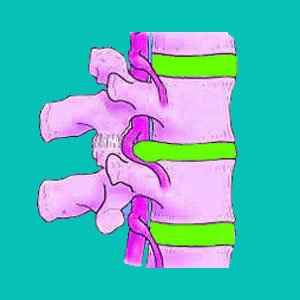
The inner nucleus pulposus of the disc is contained within the outer annulus fibrosus. Even when the disc bulges or herniates, this outer wall will usually often hold strong and true, much like the shell of a water balloon. This is what occurs with a contained herniation. The disc shape changes, but the structure remains sound and the nucleus remains fully enclosed in the annulus.
Research shows that most herniations are not symptomatic, regardless of whether they are contained or not. However, for herniated discs which do cause problems, the treatment options for contained herniations can vary greatly from those preferred for annular tears, ruptured discs, extruded discs and sequestered discs.
Quality MRI imaging will likely reveal any defects in the outer disc wall, so testing prior to treatment is always strongly advised.

Treatment for a Contained Bulging Disc
As previously mentioned, being that most bulging discs are not problematic, no specific treatment is usually necessary, since the herniation may not be the source of any pain which may coincidentally exist. In cases where the disc is the verified source, contained herniations may respond well to the simple passage of time and the symptoms may resolve on their own.
For those which do not resolve, or patients who do not want to wait, spinal decompression is often a good choice, since this particular form of noninvasive therapy works best with contained disc bulges.
On the other hand, surgery usually shows even worse results than usual with contained herniations, since any invasion of the disc structure will likely result in re-herniation (often rupture, in many cases) either immediately or eventually.
Herniated disc surgery shows slightly better curative results for removing extruded and sequestered disc fragments.
Contained Herniated Disc Factsheet
Once again, it is always nice to see readers taking the time to peruse these diagnostic term pages, since it proves that some of you actually do want to get better enough to take active roles in your own care. Keep it up and learn all you can. This is key to finding lasting herniated disc relief and preventing the epidemic occurrence of misdiagnosis from happening to you.
Just remember that contained herniations stand a good chance of being innocent and coincidental to any pain and also enjoy a good chance of resolving without treatment, even if they are the actual source of discomfort. It is for this reason that I rarely recommend rushing into any drastic treatment, unless it is a real medical emergency, such as in the extreme case profile represented by cauda equina syndrome.
Herniated Disc > What is a Herniated Disc > Contained Herniated Disc