Laminectomy is truly one of the older forms of modern back surgery. This antiquated procedure is barbaric and is virtually never indicated as a good treatment option for symptoms enacted purely by disc pathologies. Despite these facts, the procedure is still one of the most commonly performed of all fully open spinal operations today. A less invasive version of this surgical technique, called a hemilaminectomy, is often utilized in more recent years and in the most developed countries.
This article will provide details on lamina removal as a disc pain treatment. We will look at how the procedure works and why it may not be the best therapy option for most disc pain patients.
What is Laminectomy?
The lamina removal procedure is used to treat foraminal stenosis and central spinal stenosis caused by osteoarthritic processes far more often than it is utilized to treat these same diagnosed conditions when enacted by herniated discs. However, there are still many doctors who choose to treat bulging discs using this technique.
The procedure involves removing the lamina, which is a section of spinal bone covering the affected disc. This is done to allow the widening of the central canal and/or neuroforaminal spaces and the possible removal of some of the herniated disc. In this case, the procedure is actually a combination of laminectomy and discectomy.
This is an invasive procedure which creates substantial damage to the spinal tissues. It also demonstrates some of the worst curative statistics in the back surgery field when used to treat disc pathologies exclusively. Laminectomy works better for arthritic-enacted stenosis and some other highly specific diagnoses.

Types of Lamina Surgery
The traditional approach to lamina removal involves a long incision in the back and full dissection of the back muscles to reach the spine. This is still used in many countries, although less invasive versions have become more common in the US. This full open approach is ridiculous and typically leaves permanent disability and scar tissue in many patients.
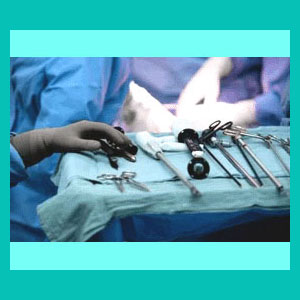
Minimally invasive techniques use precision tools and involve moving the musculature surrounding the spine, rather than dissecting it. Even the least invasive herniated disc surgery techniques still cause damage to the healthy tissues of the spine and should not be used unless there is simply no other option.
Laminectomy Indications
As mentioned earlier, this procedure is more commonly used to access the interior of the spine when the suspected cause of pain involves serious spinal cord or nerve compression due to arthritic osteophytes or debris. While this is still a rare event and diagnosed far more often than it actually occurs in symptomatic form, at least it helps to justify the procedure somewhat.
In cases of a herniated disc as the exclusive cause of suspected nerve or cord compression, this procedure is generally the worst possible choice and typically does far more harm than good. Many postoperative patients are no longer concerned with their herniated disc pain, since they are utterly consumed by the horrific pain and disability enacted by the surgery itself.

Lamina Spinal Surgery Overview
My mother had this procedure done in the 1960’s to treat an unresolved herniated disc in her lumbar spine. As a child I remember seeing the 6” scar on her lower back and hearing the tale of terror she endured during the operation. She never received relief from the operation and continued to have back pain for over 40 years until her death. This is on top of the full year she spent recovering from this barbarism and the permanent loss of functionality she suffered as a direct result of the operation.
On a scale of 1 to 10, I generally rate this procedure a 1 when it is used to treat disc pathologies. It might be indicated for a few patients with particularly severe combination disc and arthritic spinal conditions, but for everyone else, this operation might turn out to be a very bad decision.
Even for indicated conditions, there is almost always a better option, but some patients are simply not aware that they have a choice. This is why it is crucial to be a knowledgeable and informed patient and to take responsibility for your own health. If not, you have no one to blame when you choose to undergo such a horrible surgery and come out worse postoperatively than you were prior to the procedure.