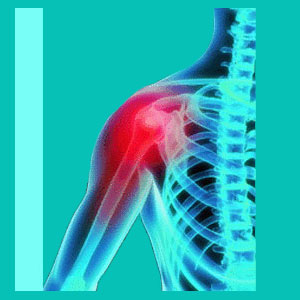
Shoulder pain from a herniated disc is often diagnosed when a bulging disc exists in the middle or lower cervical spinal regions and is suspected of compressing one of the nerve roots that innervate the shoulder anatomy. Shoulder pain can be associated with a wide range of neck and back pain conditions and can surely come about from a severe disc herniation, given the right circumstances. However, most structural conditions in the spine or shoulder respond well to indicated medical care and should resolve in a matter of weeks.
For incessant pain which defies all attempts at treatment, there may be a completely different reason for the symptoms. Patients must be aware of the alternate possibilities to avoid becoming slaves to lasting symptomatic therapy or victims of unnecessary spinal operations.
This treatise will examine shoulder pain as it may or may not be related to disc pathologies in the neck. The article will also propose other possible sources of these same symptoms when disc issues seem likely to be innocent of blame, being that no definitive nerve interaction is taking place.
[contentblock id=1]
Shoulder Pain from a Herniated Disc Explained
A herniated disc can create the ideal circumstances for direct or sympathetic pain to exist in the upper torso, shoulder, arm, hand or fingers.
Pinched nerve conditions can exist due to foraminal stenosis enacted by a herniated disc or other spinal source. In fact, this type of nerve compression holds the distinction as being the most common suspected cause of spinally-motivated unilateral shoulder pain.
Thoracic outlet syndrome can also create identical pain and neurological symptoms due to muscular impingement or anatomically induced ischemia of the brachial plexus.
[contentblock id=18]
Mindbody variants of regional ischemia can also affect the area, enacting severe pain in large areas of the upper body, and might be linked to a psychosomatic causation.
Shoulder pain may also come about due to a defect in the actual joint, such as a torn rotator cuff, damaged ligament or tendonitis condition. These factors may also be exacerbated by a physical problem, such as a bulging disc in the spine.
Ischemic Shoulder Pain not from a Herniated Disc
Oxygen deprivation is one of many typical sources of chronic shoulder pain which is accompanied by discomfort, tingling, numbness or weakness in large areas of the arm, hand or fingers. These symptoms are too widespread and diverse to come from a single disc protrusion, although a coincidental disc abnormality might be present.
Remember, these areas are served by as many as 7 different nerve roots, so a single level bugling disc could never possibly cause pain in all these locations though foraminal stenosis. In these cases, the herniation is usually implicated as the cause of the pain, even though the clinical impression of the symptoms does not correspond correctly to the diagnosis. This is a classic example of a herniated disc scapegoat condition.
Ischemia is usually the actual villain here, creating lasting pain and suffering, while treatments are being provided for the damaged disc. It is no surprise that these therapies are generally completely ineffectual.
Central spinal stenosis can also elicit similar symptom profiles in some patients, but such diversified expressions in the upper body are the gross exceptions to the rule of cervical canal narrowing.
[contentblock id=11]
Curing Shoulder Pain from a Herniated Disc
Shoulder pain from a herniated disc and accompanying arm pain can be very uncomfortable and disabling, especially for active people. Luckily, the majority or anatomical issues creating upper back, neck and shoulder pain will respond well to appropriate treatments.
If your pain does not heal in the expected time frame, or gets worse, there is always a good chance that the diagnosis is incorrect. This is why it is so important for every patient to understand all the possible explanations for their diagnosed herniated disc symptoms.
Their doctor might only make them aware of some possible causes and if these explanations are all wrong, then the patient is doomed to suffer endlessly. Take an interest in your healthcare and do independent research on your own. This way, you will be prepared to deal with chronic pain which scoffs at the traditional modalities employed by the disc pain treatment industry.
[contentblock id=2]
Herniated Disc > Herniated Disc Pain > Shoulder Pain from a Herniated Disc