
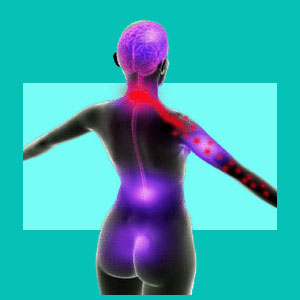
A herniated disc scapegoat is a very common occurrence within the neck and back pain diagnostic industry. A scapegoat is something which takes the blame for a problem, even though it did not actually cause it. When it comes to herniated discs, they are often blamed for creating chronic back pain, when in reality, they are rarely the actual source of any lasting symptoms.
This article will examine innocent and asymptomatic herniations which comprise the majority of all diagnosed disc abnormalities. We will also look at why these coincidental disc irregularities are blamed for causing pain when no pathological process has been proven.
Herniated Disc Scapegoat Defined
Herniated discs have a fearsome reputation which is largely undeserved. Most herniated discs do not cause any pain at all and even those which are symptomatic, typically resolve on their own, without any treatment, within 8 weeks. Very few disc herniations go on to create chronic back, neck or sciatica pain conditions. However, disc conditions are often blamed when back pain exists coincidentally with a herniation. In these cases, the disc is the scapegoat and the patient is led into a usually ineffective treatment regimen which might last for years.
Many of these patients never even consider that the disc might not be the actual source of their pain, despite numerous unsuccessful therapy attempts and possibly even a failed herniated disc surgery. In essence, they might question the validity of the treatments, but never question the accuracy of the diagnosis. This is what dooms them to experience continuing pain.

Scapegoating Herniated Discs = Misdiagnosis
When a herniated disc is mistakenly identified as the cause of symptoms, it can have dire consequences on the patient. No treatment will cure if it is targeting the incorrect cause of symptoms. This makes undeniable sense.
Patients will spend vast amounts of time and money looking to resolve their disc pain, when all along the actual cause of the symptoms has nothing at all to do with the poor maligned disc. It is a travesty of proper medical care. After all, the disc was never even shown to demonstrate a pathological component.
Herniated discs are certainly not the only back pain scapegoats, but they are the most common. Other conditions often mistakenly identified as the cause of chronic back or neck pain include: facet joint syndrome, spinal stenosis, pinched nerves, sciatica, scoliosis, kyphosis, lordosis, osteoarthritis, degenerative disc disease, spondylolisthesis, piriformis syndrome and sacroiliac joint dysfunction. All of these conditions can exist in symptomatic variants, but can also be present innocently and without generating any pain at all in milder forms.
Understanding Herniated Disc Scapegoats
If you have long lasting pain that has been diagnosed as being caused by a herniated or degenerated disc, then you owe it to yourself to consider all the other possible explanations. There is a very good chance that many failed treatments might indicate a misdiagnosed disc pain condition.

Many of these instances involve another undiscovered structural problem elsewhere in the spine. Other cases involve a widespread muscular condition which is actually responsible for enacting the relentless pain. These causative processes must be diagnosed properly if the patient is to have any hope of finding eventual relief.
Some of these misdiagnosed pain syndromes are the direct result of ischemia, not the scapegoat disc. Luckily, once the actual source of pain is truly identified, the treatment for mindbody ischemia can be easy and effective. Knowledge therapy can make short work of these oxygen deprivation pain syndromes, enacting a real and permanent cure in most patients.
In summation, never assume that a diagnosed disc abnormality is the reason for your pain. Always demand qualified symptomatic correlation from a neurologist. If no definitive pain-inducing process can be established, the possibility of a scapegoat condition increases exponentially.
Herniated Disc > Psychosomatic Herniated Disc Pain > Herniated Disc Scapegoat