
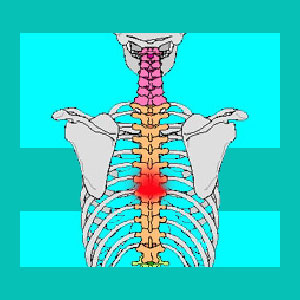
A thoracic herniated disc is not nearly as common as herniations which occur in the cervical and lumbar regions of the spine. The thoracic spinal area consists of the upper and middle back and is not subject to the same risk for injury or spinal degeneration as the remainder of the spinal column.
Upper and lower thoracic herniations are much more prevalent than central thoracic disc pathologies. This is because the degenerative processes which affect the neck and low back will also affect the frontier areas of the thoracic spine, as well.
This article will provide a detailed account of what to expect if you are diagnosed with an upper or middle back bulging disc.
Thoracic Herniated Disc Anatomy
The thoracic spine consists of 12 vertebrae named T1 through T12 and normally features a gentle kyphotic curvature. The thoracic discs, like all intervertebral discs, are placed in between each respective set of vertebral bones to enable movement and provide shock absorption capabilities.
The thoracic discs are larger than the cervical discs in height, diameter and circumference. The upper and middle back regions are not mobilized nearly as much as the neck or lower back. This makes the upper spinal structures a reduced target for the typical spinal aging processes, such as thoracic degenerative disc disease and spinal osteoarthritis.
The thoracic spine is designed more for structure and protection for our internal organs, than for movement. Therefore, the structures which compose the mid and upper back are sturdy and dependable. When disc pathologies do occur in the thoracic spine, they usually reside at the junctures between the cervical or lumbar levels, rather than being medially located.

Thoracic Disc Prolapse Events
While the thoracic spine is very strong and capable, it is still subject to being injured from significant trauma. If a herniated disc occurs in the thoracic spine, it might cause short-term pain, just like any other disc injury. However, due to the general lack of movement in the thoracic spinal levels, these discs will usually heal even faster than affected structures in the lower back or neck, which are stressed throughout the healing process by constant bending and flexing.
Chronic thoracic pain is virtually unheard of in herniated disc patients and when it does exist, it is usually due to either unbelievably severe trauma or a psychosomatic disc pain condition.
Thoracic Herniated Disc Observations
If you are unfortunate enough to have suffered a herniated disc in your middle or upper back, do not fear. These injuries heal fast and should not cause any lingering painful complications. Most herniated discs will heal on their own and without medical treatment in less than 2 months. Thoracic discs will typically heal even better and faster than the average spinal disc injury.
If you have lasting pain which has been blamed on a herniated disc in the middle or upper back, there is a good chance that you have been misdiagnosed. Sure, the disc herniation might truly exist, but it is simply not the actual reason for the misery.
In these circumstances, the pain is generally caused by a yet undiagnosed spinal or muscular concern in the neck or may also be created purely by an ischemic condition. This latter possibility can last for many years, despite a variety of misguided treatments. Remember, therapy only has a hope of being successful if it is directed at the actual cause of the pain.
Herniated Disc > Herniated Disc in the Upper Back > Thoracic Herniated Disc