
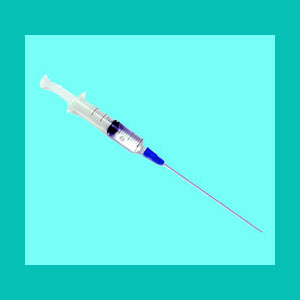
Epidural injections for herniated discs are a common intermediate treatment modality for patients who are suffering from disc-related pain which has not responded to more conservative therapy measures. The typical form of epidural injection utilizes anesthetics shot directly into the affected spinal region of the suffering patient, hopefully blocking pain messages from being transferred to the brain.
This treatment resource will provide information on various types of epidural injections for disc pathologies. The benefits and possible risks of epidurals will be covered, as well as the expectations for curative results.
What are Epidural Injections for Herniated Discs?
Epidural injections come in several varieties, including pure anesthetic shots often called nerve blocks. These shots provide pain relief by blocking all nerve transmissions from the affected disc region. Other types of epidurals shoot cortisone and steroids into painful tissue to resolve stiffness and joint dysfunction, as well as reduce inflammation.
Specific flushing agent injections are often given to patients with ruptured disc conditions, in an attempt to neutralize the potentially irritating effects of leaking nucleus pulposus proteins on surrounding nerve tissue. These injections target the process known as chemical radiculitis and are perhaps the most controversial of all back pain injections.
Finally, prolotherapy can be used in an attempt to elicit an organic healing response from the body, by exposing the region to an all-natural irritant.

Epidural Injections for Chronic Disc Pain
Epidural nerve blocks are especially effective for providing pain relief from structural issues which have been theorized to be affecting neurological tissue in or around the spine. Unfortunately, most patients find this benefit to be short lived and each successive round of injections typically provides reduced effects in terms of both pain relief and treatment duration.
Epidural nerve blocks are the ultimate symptomatic herniated disc treatment and will do nothing at all to resolve the actual structural complaint. All they can hope to accomplish is to make life easier to bear while the disc heals on its own. For patients whose discs have already caused an ongoing chronic back pain condition to exist, epidural injections are typically a complete waste of time.
Flushing injections to combat chemical radiculitis offer a slightly better chance of resolving nerve pain in patients suffering from a ruptured disc. While this diagnosis remains controversial, flushing agents work in about 50 percent of treated patients.
Cortisone and steroid injections demonstrate poor curative results for many back and neck pain conditions and also have inherent risks which make them a less desirable treatment option.
Epidural Injections for Herniated Discs Advisory
Epidurals can provide lasting relief early in the course of injection therapy. Almost without exception, subsequent rounds of injections are less effective and last a shorter time in their pain relieving qualities. Many herniated disc patients are thrilled with the results of their first shot, but are quickly disheartened when the relief ends and follow up treatments simply do not measure up to the benefits of the initial injection.
Epidurals are symptomatic in nature, except some specifically designed to eliminate the effects of chemical radiculitis. These might actually enact a real cure for painful nerve irritation.

When considering nerve blocks or corticosteroid injections, it is better to skip them altogether or simply use them once for short term herniated disc relief while pursuing a better treatment option. It is always advised to completely heal the disc pain, rather than simply cover it up under a haze of anesthetic drugs.
Spinal decompression may be a far better bet for confirmed cases of structurally-induced symptoms, while knowledge therapy is terrific for ischemic based mindbody syndromes.
In summary, it is vital to know and consider all the risks of epidural therapy. It should be noted that a large number of patients experience complications, so these are not isolated events by any means. Spinal fluid leaks, infection, nerve damage and extremely rare instances of paralysis or death can occur.
Herniated Disc > Herniated Disc Treatments > Epidural Injections for Herniated Discs