Herniated disc buttocks pain is a common diagnostic conclusion linked to prolapsed discs in the lower lumbar and lumbosacral spinal regions. While it is certainly possible for herniations to create acute or chronic pain in the buttocks, there are also many other possible causes and contributors to symptoms in the region. In fact, after objective diagnostic evaluation, many cases of buttocks pain turn out to be soft tissue conditions affecting the postural muscles, rather than the actual spinal structures.
Ischemia is a very common nonstructural source of chronic buttocks pain, although there can certainly be other anatomically-based explanations, as well.
This article will focus on buttocks pain in relation to herniated discs in the lower spine. We will also examine the other potential causes of pain in the buttocks and how the common incidence of herniation and degeneration in the lumbar intervertebral tissues may be coincidental.
Herniated Disc Buttocks Pain Symptoms
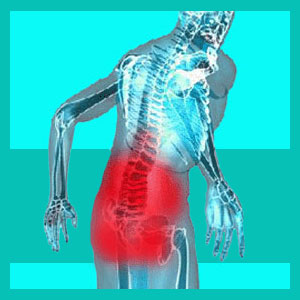
Most patients who suffer from buttocks pain really endure symptoms to the entire regional area, including the lower back, buttocks and upper rear thighs. This is common, since these are the areas in which the postural muscles are located and these structures often feel pain together, instead of individually. Some patients suffer buttocks pain alone, and this can exist in the gluteal soft tissues on either cheek or, more commonly, in the crevice at the top of the buttocks, sometimes diagnosed as coccyx pain.
Regardless of where the symptoms are felt, the result is very disabling, with some patients unable to stand, walk or do almost anything without terrible pain and sometimes torturous muscular spasms.

Buttocks Pain from a Herniated Disc
The sacral nerve roots do serve the buttocks and many be compressed by lower back disc pathologies, causing neurological innervation issues. However, this should result in numbness and weakness, rather than enduring pain in most scenarios. Most lumbar herniations are blamed for causing buttocks pain, even though the involved nerves do not necessarily serve the buttocks directly. This is one of the multitude of diagnostic problems reported by so many patients.
If a herniated disc is causing foraminal stenosis, the symptom should at least match up with the diagnosed cause, typically being unilateral and confined to a specific muscle set.
Meanwhile, spinal stenosis via herniated disc is slightly more logical for sourcing general and bilateral buttocks pain, although most mild to moderate central and paramedian herniations in the lumbar spine are not symptomatic at all.
Local oxygen deprivation of the muscles, ligaments, tendons and nerves in lower back and buttocks is a better explanation for some expressions and is most typically tied to the psychosomatic process.
Other possible causes of buttocks symptoms in some patients include sacroiliac joint issues and piriformis syndrome, although the latter choice usually affects the legs, hips and buttocks and not the low back.

Herniated Disc Buttocks Pain Resolution
I used to have the worst lower back and buttocks pain. When the spasms came on, it felt as if my posture was being broken by some invisible force which was violently pushing my pelvis forward. It was utter agony. Unforgettable. I was barely able to stand and could do little else when the pain was at its worst. I know how unbearable this type of symptomology can be.
Most herniated discs blamed for lower back pain are innocent and those specifically causing just buttocks pain have an even greater chance of being misdiagnosed. If your suspected herniated disc pain has not responded to treatment, it is time to reconsider the validity of the diagnostic theory. This may just be the first step in finding a real cure. Be sure to consider all possible causative theories for best results during therapy.
Herniated Disc > Herniated Disc Pain > Herniated Disc Buttocks Pain